



Know Yourself First
Before you can find the right person, you need to understand yourself — your patterns, your blind spots, and why you're drawn to who you're drawn to.
- Use Your Brain
- What Is Personality?
- Mirror Mirror On The Wall

A forensic psychologist's guide to identifying healthy relationships, avoiding toxic partners, and building lasting love based on 30 years of professional expertise.
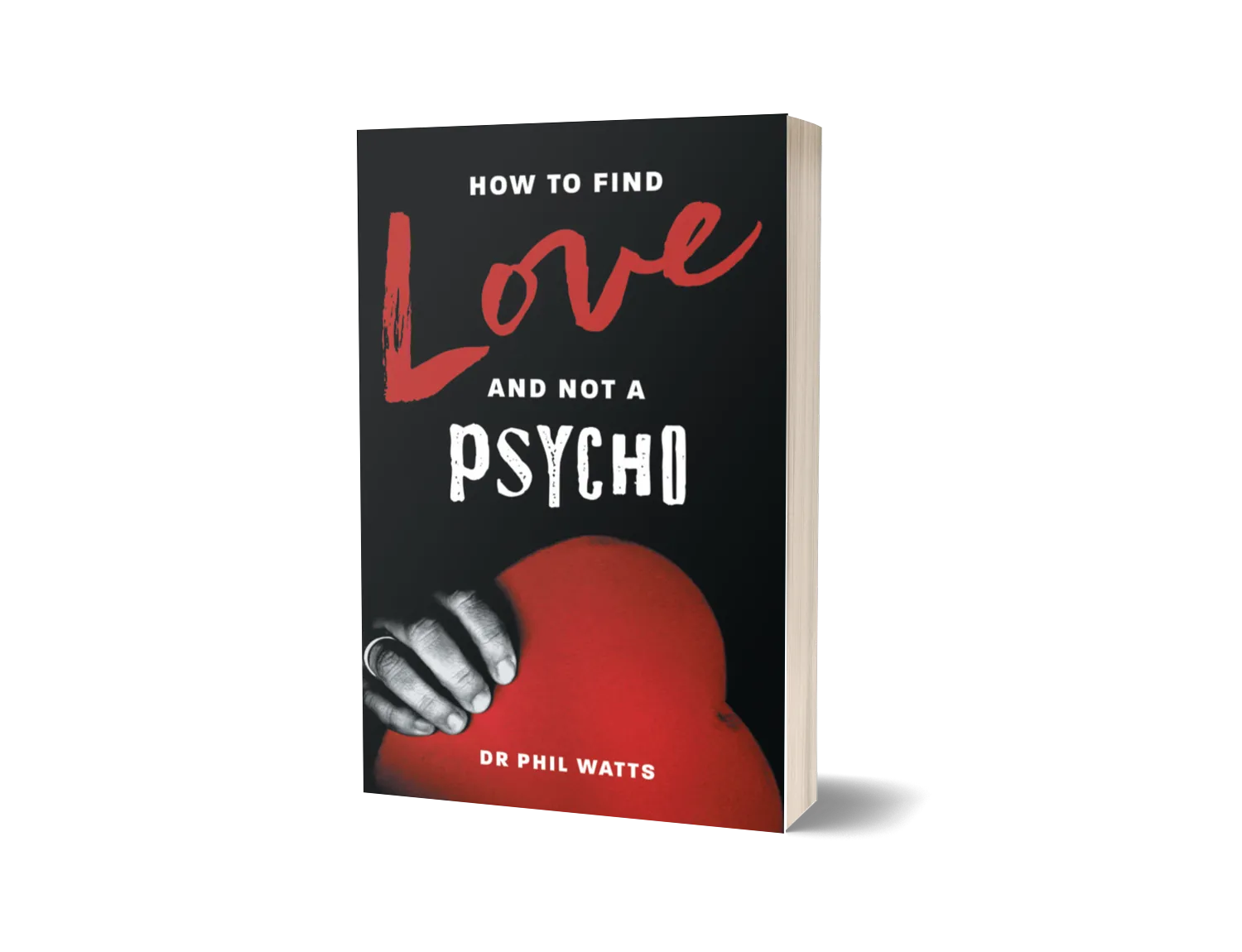
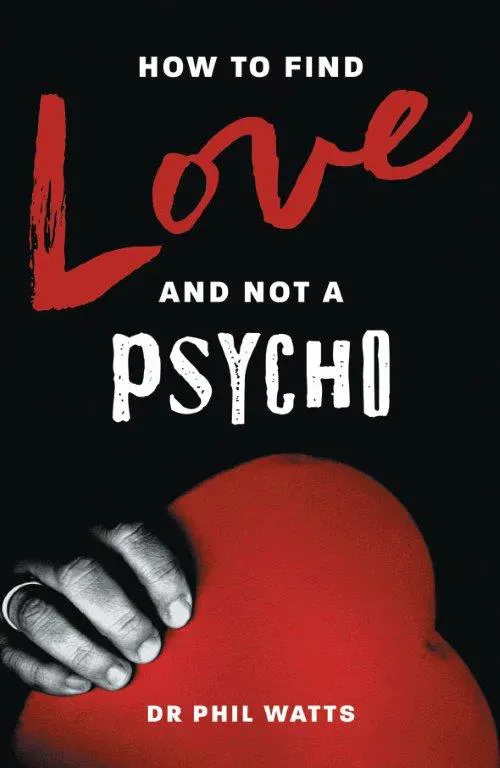
The relationship that looked perfect from the outside, the partner who was charming right up until they weren't, the moment you found yourself wondering how you got here. The truth is, most of us were never taught how to evaluate the people we let into our lives.
Dr Phil Watts has spent 30 years as a forensic psychologist working with people navigating the aftermath of toxic, controlling, and dangerous relationships. This book is everything he wishes people had known sooner — a warm, honest, and practical guide to understanding people, spotting red flags early, and building the kind of love that actually lasts.
Discover how to spot red flags Understand how to build healthy bonds Master modern dating techniques and skills 
Dr Phil Watts
Clinical and Forensic Psychologist · 30+ Years Experience
Dr Phil Watts is a renowned forensic psychologist with over three decades of experience in understanding human behaviour, particularly in the context of relationships and personality disorders.
His extensive professional expertise includes working with individuals in the family court system who have experienced toxic relationships, helping them understand the warning signs and develop healthier relationship patterns.
The insights in this book are drawn from Dr. Watts' comprehensive studies and real-world experience helping countless individuals navigate the complex landscape of modern relationships.
Six themes. Twenty-five chapters. Thirty years of real-world forensic experience — distilled into something you can actually use.
Before you can find the right person, you need to understand yourself — your patterns, your blind spots, and why you're drawn to who you're drawn to.
Charm is easy to fake. Character takes time to reveal. Learn the forensic frameworks Dr Phil uses to see past the performance to the person underneath.
A forensic psychologist doesn't take things at face value — and neither should you. From understanding someone's family background to navigating online dating and substance use, this section gives you practical tools to assess a potential partner with clear eyes, before you're emotionally invested.
Feelings aren't enough. Dr Phil's evidence-based frameworks — including his signature 90% Rule — help you stress-test compatibility before you commit.
Once you've found the right person, the real work begins. Learn how healthy intimacy develops, how to communicate with confidence, and how to make it last.
For those navigating the painful stuff — whether that's knowing when to leave, recovering from infidelity, or finding the courage to try again. Dr Phil has seen it all, and this section offers honest, compassionate guidance grounded in decades of real cases.

A must read for anyone who will enter a romantic relationship (so, virtually everyone!). This incisive and evidence-based book provides clear advice on how to spot a wolf in sheep’s clothing so as to avoid miserable and dangerous relationships. The messages Dr Phil imparts will allow readers to find true love that is positive and fulfilling, while giving hope to those who have been hurt by former partners.


Wouldn’t it be handy if, at birth, we were given guidebooks or manuals for the important areas of our lives? Sadly, we aren’t. We muddle through life and particularly relationships, without really understanding better ways to ‘fall in love’. If you want to avoid ‘psychos’ and create better relationships, then read this book. It is the tool kit you should have been given


We teach sex education. Is it not time to teach love education? We now have the textbook. Really easy to read and not preachy. It also feels truthful but is not sugar coated.

Relationships can be complex, but they don't have to be! Discover Dr Phil's answers to the most commonly asked dating questions and red flags.
Toxic relationships rarely start that way — they usually begin with intensity, charm, and a feeling that this person is almost too good to be true. Over time, patterns emerge: control disguised as care, criticism framed as concern, and a gradual erosion of your confidence and independence. In How To Find Love And Not A Psycho, Dr Phil Watts draws on 30 years of forensic psychology to help you name what you're experiencing — and understand why it happened.
Early red flags are easy to dismiss, especially when you're emotionally invested. They include moving too fast, excessive jealousy, difficulty accepting "no," inconsistency between words and actions, and subtle put-downs wrapped in humour. The challenge is that many of these behaviours are intermittent at first — which makes them even harder to trust your instincts about.
Love bombing is when someone overwhelms you with affection, attention, and grand gestures very early in a relationship — creating an intense emotional bond before you've had the chance to truly know them. It's a recognised manipulation tactic often associated with narcissistic personality traits, and yes, it's one of the most important red flags to understand before you start dating seriously.
Rebuilding trust in others starts with rebuilding trust in yourself — specifically, in your own judgement. This means slowing down, learning to distinguish genuine connection from familiar emotional patterns, and giving relationships time to prove themselves before deepening commitment. It also means understanding why you were vulnerable in the first place, which is something Dr Phil addresses directly in the book.
Narcissistic partners often present as magnetic, confident, and deeply attentive early on, which is part of what makes them so difficult to identify. Key signs include a consistent lack of empathy, a need for admiration, a tendency to shift blame, and a pattern of behaviour that leaves you feeling confused about your own perceptions. Understanding narcissistic personality disorder is one of the foundations of Dr Phil's approach to safer dating.
Not definitively — but you can gather important evidence. The early stages of dating are less about chemistry and more about observation. How does this person handle disappointment? How do they speak about their exes? How do they behave when things don't go their way? Dr Phil's 90% Rule and The No-Test are practical frameworks designed specifically for this stage.
Dating apps, social media, and the pace of modern connection all create conditions where red flags are easier to miss. Profiles are curated, communication is text-based, and the volume of options can make us less patient with the slow work of truly knowing someone. Add to that the phenomenon of "digital masking", where someone can present very differently online than in person, and the need for a more forensic approach to dating becomes clear.
A red flag is a warning signal — something that warrants attention and further observation. A deal breaker is a non-negotiable — a behaviour or characteristic that, for you, makes a relationship unworkable. Not every red flag is a deal breaker, but every deal breaker starts as a red flag that was either ignored or explained away. Learning to distinguish the two is one of the most valuable dating skills you can develop.
Intelligence offers very little protection against emotional manipulation — in fact, it can sometimes work against you, because you're better at rationalising warning signs and constructing narratives that explain away concerning behaviour. Vulnerability to toxic relationships is psychological, not intellectual. It's shaped by attachment style, past experience, and the very human desire to believe the best in people.
That it's absolutely possible — but it requires approaching relationships with the same care and discernment you'd apply to any major life decision. Dr Phil Watts has spent decades in courtrooms and consulting rooms witnessing the consequences of unchecked toxic relationships. His conclusion, after all of it, is still an optimistic one: with the right knowledge and tools, most people can find love that is safe, sustaining, and genuinely fulfilling.
Both! Whether you're recovering from a difficult relationship or stepping into the dating world for the first time, the insights here are designed to be practical and immediately useful — wherever you're starting from.
Absolutely. Dr Phil has spent his career translating complex psychological concepts into language that resonates with real people in real situations. No clinical background required.
Most relationship books tell you how to find love. This one also shows you what to avoid — and why. The forensic psychology lens gives you a uniquely evidence-based perspective that goes deeper than dating tips.
Yes. The psychological principles around healthy and unhealthy relationship patterns apply universally, regardless of gender or orientation. This book is written from the perspective of finding "healthy people" to be in a relationship with. It is not designed with a gendered lens.
Yes. Many readers use this book to evaluate their current relationship with fresh eyes — and either find reassurance or the clarity to make a change.
Dr Phil approaches these topics with genuine care and sensitivity. While some content may feel close to home, the book is written to empower — not to retraumatise. Many readers have found it deeply validating.
How To Find Love And Not A Psycho covers everything from spotting red flags on a first date to rebuilding after a toxic relationship — in language that's warm, practical, and jargon-free. Get Your Copy